


Getting an MOT test is something most drivers in the UK must face yearly. The stress of engine checks, waiting rooms, and unexpected bills can make anyone nervous.
But over a third of cars fail their MOT on the first try, often for simple reasons that can be fixed ahead of time. This guide reveals the most common causes of MOT failure, simple checks you can do, and tips to keep your car on the road.
What Is an MOT and Why Does It Matter?
The MOT (Ministry of Transport) test is a legal requirement for most cars over three years old. If your vehicle falls under this category, it will need a DVSA-approved Class 4 MOT test in Maidstone to ensure it meets all safety and environmental standards.
Failing to have a valid MOT certificate can lead to fines, points on your license, and trouble with insurance and car tax.
Top Reasons Cars Fail Their MOT
1. Lights and Signalling Problems
Nearly 1 in 5 MOT failures are due to lighting issues. This includes:
- Blown bulbs (headlights, indicators, brake lights)
- Foggy or cracked lenses
- Non-working number plate lights
How to Fix:
- Before your test, check every light. Get a friend to help with the rear lights and brake lights.
- Make sure all lights work, including indicators and reversing lights.
- Replace any blown bulbs, it’s a cheap and easy fix.
- Clean misty plastic headlight covers with a restoration kit.
- Check the number plate lights.
2. Suspension Faults
Suspension issues are the second most common reason for failure. British roads, with their potholes, take a toll on your car’s shocks and springs.
Signs of Trouble:
- Clunking noises over bumps or when cornering
- Car sits too high or low in one corner
- Excessive bouncing after pushing down on the body
How to Fix:
- Watch and listen for odd noises while driving.
- If you notice unevenness or strange sounds, get a mechanic to check your suspension before the MOT.
3. Brake Problems
About 10% of MOT failings are for brakes. Worn pads, leaking fluid, or problems with the handbrake are common issues.
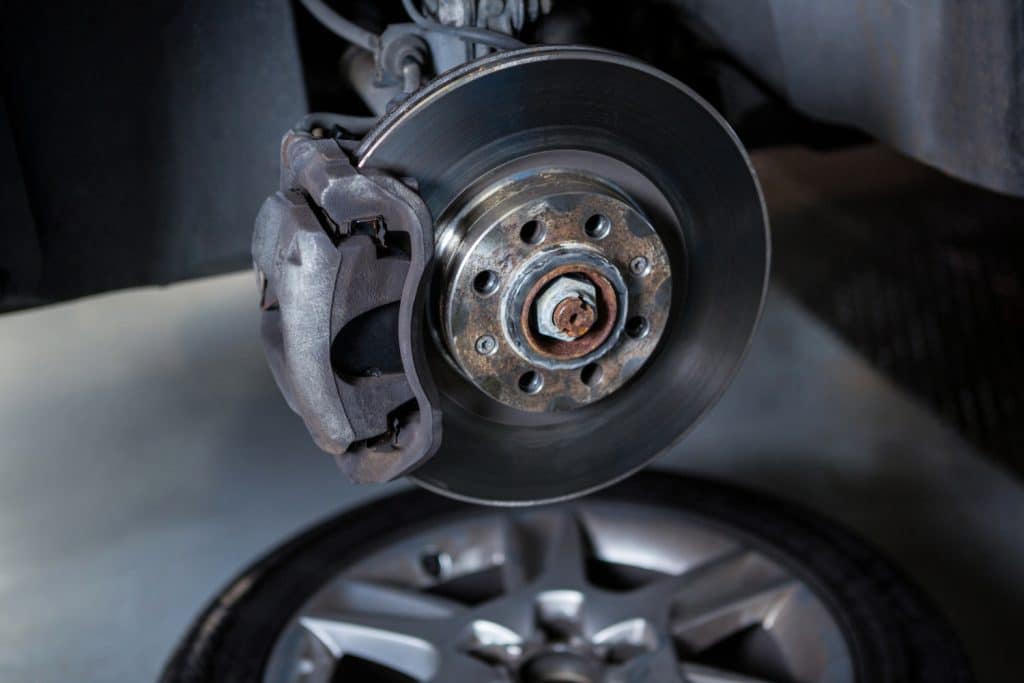
Signs of Trouble:
- Squealing or grinding sounds when braking
- A car pulls to one side under braking
- Spongy feeling or brake pedal sinks to the floor
- The handbrake does not hold the car on a hill
How to Fix:
- Listen for strange brake noises.
- Test the brakes at low speed to feel for pull or softness.
- Check the reservoir for brake fluid.
- Have worn pads or discs changed before the MOT.
- You can book a quick brake repair service if you’re hearing squeaks or grinding.
4. Tyre Issues
7–8% of cars fail because of bad tyres. Worn, damaged, or illegal tyres aren’t just dangerous; they’ll fail your MOT.
How to Check:
- Use a 20p coin to measure tread depth; if you see the outer rim, the tread is likely under the legal 1.6mm.
- Look for bulges, cuts, or uneven wear.
- Make sure all tyres match the specs for your car.
How to Fix:
- Replace tyres with low tread, visible damage, or odd wear.
- Keep tyres at the correct pressure.
5. Driver’s View (Windscreen, Wipers & Mirrors)
If you can’t see, you can’t drive safely. That’s why:
- Cracked windscreens
- Empty washer bottles
- Faulty wiper blades
- Obstructing stickers, sat navs, or phone cradles
- Broken or missing mirrors
can all cause a failure.
How to Fix:
- Fill up the washer bottle and test the spray.
- Replace wiper blades if they smear or squeak.
- Fix small chips in the windscreen before they spread.
- Remove anything blocking the view.
- Check all mirrors are secure and not cracked.
6. Emissions and Exhaust Problems
Exhaust issues are more common for diesel vehicles, but any car can suffer from this.
Signs of Trouble:
- Black or blue smoke from the exhaust
- Strange noises or rattling from the exhaust system
How to Fix:
- Use a fuel system cleaner before your test.
- Take your car for a 20–30 minute high-speed run to clear out the system.
- Fix any holes or breaks in the exhaust.
7. Steering and Power Steering Fluid
Steering problems are less common but can be serious.
Watch For:
- Odd noises when turning
- Difficulty steering
- Warning lights
How to Fix:
- Top up the power steering fluid.
- Address warning lights before your test.
8. Seat Belts and Airbags
- Seat belts must click into place, retract smoothly, and show no signs of damage.
- Airbags warning lights (or missing airbags) will trigger a failure.
How to Fix:
- Check every seatbelt for fraying and function.
- Reset warning lights (may require a garage).
Understanding what happens if your car fails its MOT and needs a retest can help you plan ahead.
9. Body, Structure, and Number Plates
Serious rust, sharp edges, loose bumpers, or illegible number plates can all get your car rejected.
How to Fix:
- Wash your car, especially the number plates.
- Repair or secure loose bodywork.
- Fix areas of rust, or at least treat them to slow down damage.
Other Common Failures
- Horn not working
- Fuel leaks or loose caps
- Rear seat security
Tips to Avoid an MOT Fail
- Do a quick check at home: Walk around your car, testing lights, tyres, wipers, washers, horns, and seatbelts.
- Fix simple issues: Blown bulbs, low washer fluid, and tyre replacements are quick and cheap compared to failing the test.
- Book a pre-MOT check: Many garages offer a low-cost or free check to alert you to easy fixes.
- Drive wisely: Listen and feel for changes in your car’s performance year-round.
- Keep records: Regular servicing and maintenance help prevent surprises during the MOT.
Final Thoughts
Most MOT failures can be prevented by taking some time to check your car before the test. The MOT isn’t just a legal box to tick; it’s about keeping you, your passengers, and others safe on the road. Give your vehicle a little attention, fix those small problems, and drive into your test with confidence.
Don’t leave your MOT to chance. Book your MOT near Maidstone with Malling Repair Services today for a hassle-free, DVSA-approved check.