 Skip to content

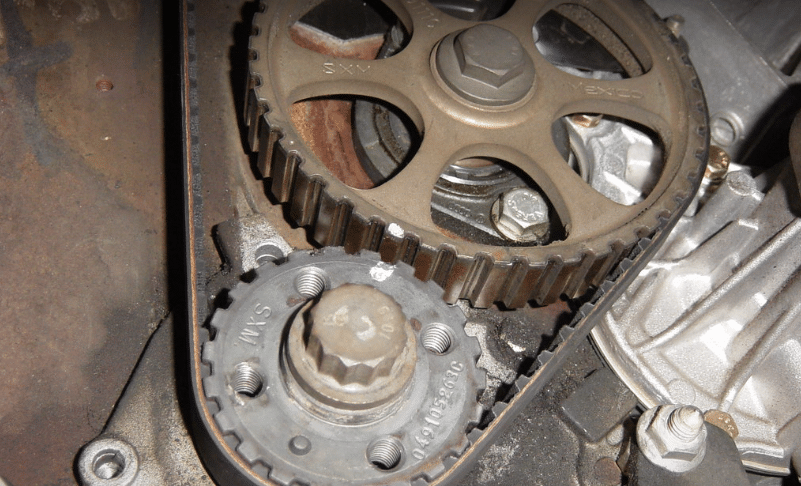
When it comes to maintaining your car, few components are as crucial as the cambelt, also known as the timing belt. This hidden but vital part ensures that the camshaft and crankshaft move in perfect sync, allowing the valves and pistons in your internal combustion engine to operate smoothly. However, like any component, the cambelt wears out over time and will eventually need to be replaced. One of the most common questions car owners ask is: how long does it take to change a cambelt?
The answer isn’t as simple as quoting a number of hours; it depends on your car’s make and model, the skill of the mechanic, and whether additional repairs (such as a water pump replacement) are needed. In this blog, we’ll explore everything you need to know, from the time it takes to the cost of replacing a cambelt, the risks of a bad timing belt, and why following the recommended replacement schedule is essential.
What Is a Cambelt and Why Is It Important?
The cambelt, or timing belt, is a reinforced rubber belt with teeth designed to control the movement of the engine’s camshaft and crankshaft. This synchronisation ensures that the engine’s valves open and close at exactly the right moment about the movement of the pistons.
If the cambelt slips, stretches, or breaks, this delicate timing is disrupted. The result? Catastrophic engine damage as pistons collide with valves, often leading to a complete engine rebuild.
This is why changing the cambelt before it fails is so important. Ignoring the signs of wear or skipping the replacement interval can turn a relatively routine service into a hugely expensive repair.
Booking a trusted cambelt replacement service helps prevent costly engine damage.
How Long Does It Take to Change a Cambelt?
On average, it takes 4 to 6 hours for a professional mechanic to complete a cambelt replacement. However, this can vary:
Simple engines: Some small cars with easy engine access might take just 3–4 hours.
Complex engines: Larger vehicles, or those where the cambelt is difficult to reach, may take 6–8 hours.
Extra repairs needed: If the water pump or tensioner needs replacing at the same time (which is common), add an hour or two.
So when asking “how long does it take to change a cambelt?”, remember that it’s not just about the hours of labour, but also the repairs you might need alongside it.
Why Does It Take So Long?
Unlike replacing a tyre or brake pads, a cambelt change is a highly intricate job. The mechanic must:
- Access the belt, often removing multiple covers and engine components.
- Align the camshaft and crankshaft, ensuring they are locked into precise positions.
- Remove the old belt, and inspect it for wear, cracks, or missing teeth.
- Install the new cambelt, making sure the teeth engage perfectly with the gears.
- Check tension, using the tensioner to keep the belt at the right tightness.
- Test the engine, rotating it by hand to confirm the valves and pistons do not collide.
This precision work is why most garages recommend a professional mechanic instead of attempting to replace a timing belt yourself.
Cambelt vs Timing Chain – Does It Matter?
Some cars use a timing chain instead of a belt. Timing chains are more durable and may last the lifetime of the vehicle, whereas belts need replacing every 60,000–100,000 miles depending on the replacement schedule in your owner’s manual.
If your car uses a cambelt, you’ll need to plan for belt replacement at the recommended replacement interval. Skipping this service increases the risk of cambelt failure, which can cause severe damage to your engine.
Costs Involved in a Cambelt Replacement
The cost of replacing a cambelt can range widely depending on your car’s make and model and the cost of labour at your local garage.
Average cost: £300–£600 in the UK.
Luxury or performance cars: £800 or more.
Including water pump replacement: Add £100–£200.
It may seem expensive, but compare that to the cost of repairing engine damage after a broken cambelt, often £1,500 to £3,000. Clearly, preventative maintenance is the smarter choice.
Signs of a Bad Timing Belt
Wondering if your car’s cambelt is failing? Watch out for these warning signs:
- Ticking noise from the engine
- Difficulty starting
- Misfiring or loss of power
- Oil leaking from the front of the motor can also be linked to MOT-related issues, especially if ignored for too long.
- Visible cracks or fraying on the belt
If you notice any of these, you may need to replace a cambelt sooner than the scheduled interval.
Why Mechanics Recommend Replacing the Water Pump Together?
In many vehicles, the water pump is driven by the cambelt. Because both parts are difficult to access, most mechanics recommend replacing them at the same time. This saves you from paying extra labour costs later if the pump fails.
Think of it as a package: cambelt replacement + water pump replacement = better long-term reliability.
How Long Will a New Cambelt Last?
Once a new cambelt is fitted, it should last until the next replacement schedule in your owner’s manual, typically 5–7 years or 60,000–100,000 miles. However, harsh driving conditions, oil leaks, or poor maintenance can shorten its lifespan.
Regular servicing along with a quick pre-MOT checklist ensures your timing belt remains in good condition and reduces breakdown risk.
DIY vs Professional Cambelt Change
Some car enthusiasts wonder if they can change a timing belt themselves. While it’s possible, it’s risky:
- Specialist tools are required to lock the camshaft and crankshaft in position.
- High stakes, one misaligned tooth can lead to engine damage.
- Time-consuming, even skilled DIYers may take 8–12 hours.
For peace of mind, it’s better to hire a professional mechanic who has the tools, training, and experience to complete the job correctly.
What Happens If a Cambelt Fails?
If the cambelt fails, your car will stop instantly. In most engines (called “interference engines”), this means the valves and pistons collide, bending valves, damaging pistons, and sometimes even cracking the cylinder head.
A bad timing belt that is ignored could end up costing thousands in repairs. In contrast, following the recommended replacement interval ensures your car keeps running smoothly and reliably.
Why Choose Malling Repair Services for Your Cambelt Change?
When it comes to something as important as a cambelt replacement, choosing the right garage matters. At Malling Repair Services, we combine expert knowledge with honest pricing, ensuring your car gets the professional care it deserves.
Here’s why drivers trust us:
- Skilled mechanics: Our team has years of experience in handling complex cambelt changes across different makes and models.
- Time-efficient service: We know your time is valuable. Most cambelt jobs are completed within the recommended four to six hours, so you’re back on the road quickly.
- Transparent pricing: No hidden extras. We explain the full cost of replacing a cambelt, including any additional work such as a water pump replacement, before starting.
- Preventative care: We’ll check related parts like the tensioner and belt components to help prevent future breakdowns.
- Customer-first approach: Our reputation in the Malling area is built on trust, reliability, and repeat customers who know their vehicles are in safe hands.
So, if you’re asking how long it takes to change a cambelt? The answer depends on your car. But if you’re wondering who I should trust with the job, the answer is simple: Malling Repair Services.
Conclusion
So, how long does it take to change a cambelt? In most cases, around four to six hours. That time covers careful removal of the old belt, precise fitting of the new one, and additional repairs such as the water pump if necessary.
Yes, the labour cost and the cost of replacing a cambelt can feel high, but when you compare it to the cost of repairing engine damage from a broken cambelt, it’s a worthwhile investment.
To keep your car in top condition, follow the replacement schedule in your owner’s manual, watch for signs of a bad timing belt, and always use a professional mechanic for this complex job. A timely cambelt change could save you hours of breakdown frustration, and thousands in repair bills.
