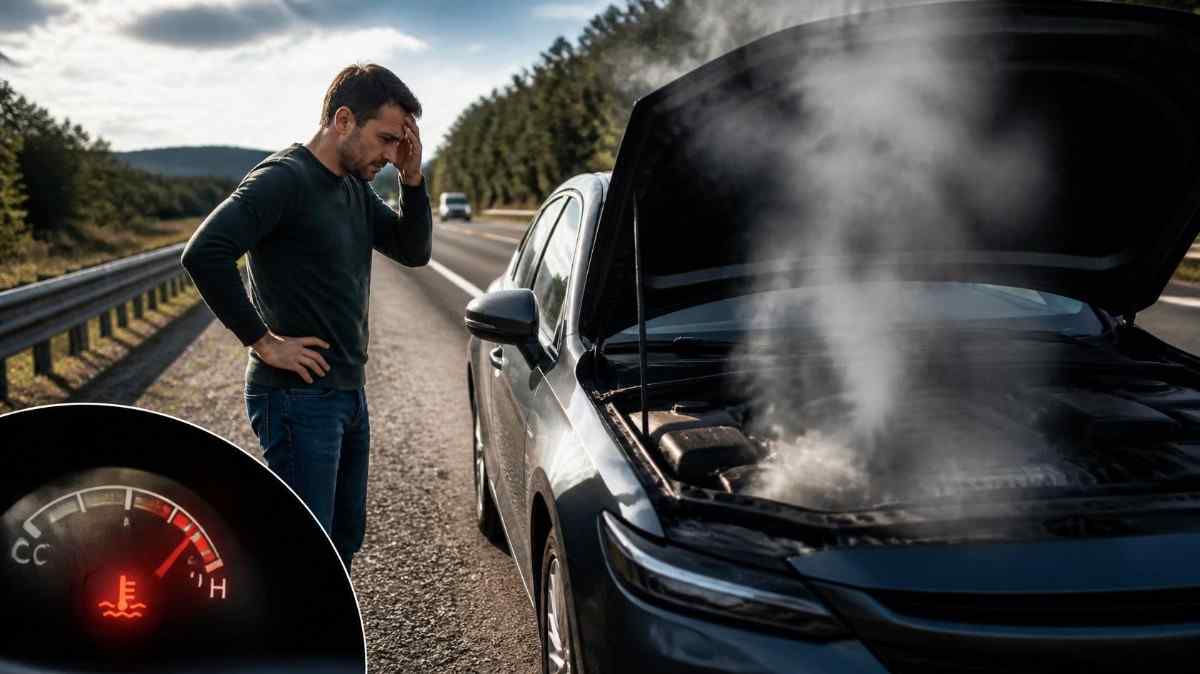
Car overheating is one of those problems you should never ignore. A hot engine can move from a minor cooling system fault to serious engine damage very quickly, especially if you keep driving while the temperature gauge is climbing.
At Malling Repair Services Ltd in Maidstone, Kent, we regularly see vehicles with overheating issues caused by coolant leaks, faulty thermostats, radiator problems, water pump failure, cooling fan faults and head gasket trouble. Some are simple repairs. Others become expensive because the driver carried on driving after the warning signs appeared.
This guide explains the most common car overheating causes, the symptoms to watch for, what to do safely at the roadside, and when to book a professional overheating diagnosis.
Why Is My Car Overheating?
Car overheating happens when the engine creates more heat than the cooling system can remove. Your engine is designed to run within a set operating temperature. The coolant, radiator, thermostat, water pump, cooling fan and hoses all work together to control engine temperature and move excess engine heat away from the engine block.
When one part of that system fails, heat builds up. The temperature gauge may rise towards the red zone, a dashboard warning light may come on, or you may see steam from the bonnet.
Fast action matters because overheating can damage major engine parts. If the engine gets too hot, it can cause a warped cylinder head, blown head gasket, cracked engine block or complete engine failure. What starts as a small coolant leak or faulty thermostat can become a very costly repair if ignored.
If your car is overheating in Maidstone or anywhere across Kent, it is always safer to stop, let the engine cool and arrange a professional inspection rather than trying to “nurse it home”.
What Causes Engine Overheating?
There are many possible causes of engine overheating. Some are easy to spot, such as a visible coolant leak. Others need proper vehicle diagnostics, pressure testing or live data checks to find the fault.
Below are the most common causes we see in the workshop.
Low Coolant or Coolant Leaks
Low coolant is one of the most common reasons for car overheating. Coolant, also known as antifreeze, absorbs heat from the engine and carries it to the radiator, where the heat can be released.
If coolant levels drop too low, the system cannot move heat away from the engine properly. This can lead to poor coolant circulation, rising engine temperature and overheating.
Common sources of coolant leaks include:
- Split coolant hoses
- Loose hose clips
- Radiator leaks
- Water pump leaks
- Damaged coolant reservoir or expansion tank
- Heater matrix leaks
- Failed radiator cap
- Internal coolant leak from head gasket failure
You may notice a sweet smell from coolant, damp patches under the car, white staining around hose joints, or the coolant reservoir dropping between checks.
A car can also overheat after a coolant refill if there is an air pocket in the cooling system. This is sometimes called an airlock. Air trapped inside the system can stop coolant flowing properly, even if the coolant level looks correct.
Faulty Thermostat
The thermostat controls when coolant flows through the radiator. When the engine is cold, the thermostat stays closed to help the engine warm up quickly. Once the engine reaches operating temperature, it opens and allows coolant circulation through the radiator.
A faulty thermostat can cause overheating if it gets stuck closed. This creates a coolant restriction, so hot coolant stays trapped in the engine rather than flowing to the radiator.
Signs of a faulty thermostat may include:
- Sudden rise in temperature gauge
- Engine overheating but radiator staying cooler than expected
- Car overheating after a short drive
- Poor cabin heater performance
- Fluctuating engine temperature
Thermostat replacement is usually a straightforward repair, but it should be diagnosed properly first. Similar symptoms can also come from a blocked radiator, failed water pump or air pocket in the cooling system.
Radiator Problems
The radiator is responsible for heat dissipation. Hot coolant enters the radiator, air passes through the radiator fins, and heat is released before the coolant returns to the engine.
Radiator problems that can cause overheating include:
- Clogged radiator
- Radiator corrosion
- External blockage from leaves, dirt or debris
- Radiator leaks
- Damaged radiator fins
- Collapsed radiator hose
- Radiator cap pressure failure
A radiator cap may seem like a small part, but it helps maintain system pressure. If it fails, coolant can boil at a lower temperature, escape into the expansion tank or leak out, leading to overheating.
A clogged radiator can also cause trouble when the car is under load, climbing hills, sitting in traffic or running with the air conditioning on.
Water Pump Failure
The water pump keeps coolant moving around the engine, radiator and heater core. If the pump fails, coolant circulation failure can happen very quickly.
Common signs of water pump failure include:
- Coolant leak near the front of the engine
- Grinding or whining noise
- Engine overheating at higher speeds
- Poor heater output
- Steam from bonnet
- Temperature gauge rising quickly
Some water pumps are driven by the timing belt, while others are driven by a serpentine belt or auxiliary belt. If the belt fails, the water pump may stop turning. This can cause rapid overheating and may also affect charging or power steering systems, depending on the vehicle.
A failed water pump should be repaired promptly. On some engines, it is sensible to replace the timing belt at the same time if the pump is belt-driven.
Cooling Fan Issues
The cooling fan pulls air through the radiator when the car is moving slowly, idling or sitting in traffic. At higher speeds, airflow naturally passes through the radiator. But when you are stopped, the fan becomes essential.
Cooling fan failure is a common cause of:
- Car overheating in traffic
- Car overheating while idling
- Car overheating at idle
- Car overheating with AC on
- Car overheats after stopping
Cooling fan faults can be caused by:
- Broken radiator fan
- Electric fan relay fault
- Fan control module failure
- Faulty coolant temperature sensor
- Wiring faults
- Blown fuse
- Failed fan motor
If your car only overheats when stationary but cools down while driving, the cooling fan system should be checked.
Blown Head Gasket
A blown head gasket is one of the more serious overheating causes. The head gasket seals the gap between the engine block and cylinder head. When it fails, coolant, oil and combustion gases can mix or leak into areas where they should not be.
Symptoms of head gasket failure can include:
- Coolant full but overheating
- White smoke from exhaust
- Bubbles in coolant reservoir
- Milky oil under oil cap
- Loss of coolant with no obvious external leak
- Engine misfire
- Over-pressurised cooling system
- Sweet smell from coolant
- Engine knocking or rough running
A blown head gasket can lead to internal coolant leak, cylinder head damage or a warped cylinder head. If you suspect head gasket failure, do not continue driving. Book a professional cooling system inspection as soon as possible.
Faulty Temperature Sensor
A faulty coolant temperature sensor can give incorrect readings to the engine control unit and dashboard temperature gauge. This can cause the fan to come on too late, stay off completely or trigger incorrect dashboard warning lights.
In some cases, the engine may not actually be overheating, but the car overheating warning light appears because the sensor or wiring is faulty. In other cases, the sensor fails to detect excess engine heat, so the cooling fan does not activate when needed.
Modern vehicles often store OBD overheating fault codes, which can be read with professional diagnostic equipment. At Malling Repair Services, our vehicle diagnostics help identify whether the issue is mechanical, electrical or sensor-related.
Low Engine Oil
Low oil can cause overheating because engine oil does more than lubricate moving parts. It also helps carry heat away from internal components.
If the oil level is too low, friction increases and the engine can run hotter than normal. You may notice a burning oil smell, engine knocking, oil warning light, reduced performance or rough running.
Low oil should never be ignored. If your engine is overheating and the oil level is low, the vehicle needs urgent attention to prevent serious damage.
Warning Signs Your Car Is Overheating
Car overheating symptoms are not always dramatic at first. Some start with a warning light or slight change in the temperature gauge. Others happen suddenly.
Watch for these warning signs:
- Temperature warning light: This may appear as a red thermometer symbol or car overheating symbol on the dashboard.
- Temperature gauge rising: If the needle moves towards the red zone, stop as soon as it is safe.
- Steam from bonnet: This often means coolant is boiling or escaping under pressure.
- Smoke from engine area: Smoke can come from burning oil, coolant on hot parts or electrical issues.
- Sweet smell from coolant: A sweet smell often points to a coolant leak.
- Burning oil smell: This may suggest low oil, oil leaks or excessive engine heat.
- Knocking sounds: Engine knocking can mean internal parts are getting too hot or oil pressure is low.
- Loss of engine power: Many vehicles reduce power to protect the engine when overheating is detected.
- AC stops working: Some cars shut off air conditioning to reduce engine load.
- Heater blows cold air: This can happen when coolant is low or there is an air pocket in the cooling system.
If any of these signs appear, treat it seriously. Continuing to drive can turn a repairable cooling system problem into major engine damage.
What To Do If Your Car Overheats
If your car overheats, stay calm and follow these steps.
1. Pull Over Safely
Find a safe place to stop away from traffic. Put your hazard lights on if needed. Avoid stopping on bends, narrow roads or dangerous areas where possible.
2. Turn the Engine Off
Switch off the engine as soon as you are safely parked. Leaving the engine running can make the overheating worse.
If the temperature is rising but you cannot stop immediately, turn the heater to maximum heat and the fan to full speed. This may draw some heat away from the engine for a short time, but it is not a proper fix.
3. Let the Engine Cool
Let the engine cool down before touching anything under the bonnet. This can take at least 20 to 30 minutes, sometimes longer.
Never open the radiator cap hot. The cooling system is pressurised, and hot coolant can spray out and cause serious burns.
4. Check the Coolant Reservoir
Once the engine has cooled, check the coolant reservoir. If the level is very low, there may be a leak.
Only top up if it is safe to do so and you have the correct coolant or clean water as an emergency measure. Do not pour cold water into a very hot engine, as sudden temperature change can cause damage.
5. Inspect for Leaks
Look for obvious signs of coolant leak, such as puddles, wet hoses, steam, staining around the radiator, or fluid dripping from the engine bay.
Also inspect coolant hoses for splits, swelling or collapse. Do not place your hands near fans or belts, as some electric fans can start unexpectedly.
6. Call Professional Help
If the warning light stays on, coolant is leaking, steam is present, or the car overheats again after topping up, call roadside assistance or contact a local garage in Maidstone.
Malling Repair Services Ltd can carry out cooling system diagnostics in Maidstone and identify the root cause before further damage occurs.
Temporary Fix for an Overheating Car
A temporary fix for an overheating car should only be used to get you to a safe place, not as a permanent repair. If the engine is badly overheating, do not drive it.
Safe temporary measures may include:
- Turning off the air conditioning
- Turning the cabin heater to hot and fan to full
- Pulling over and letting the engine cool
- Topping up coolant once the engine is cool
- Checking for obvious coolant leaks
- Avoiding heavy acceleration
- Keeping an eye on the temperature gauge
- Calling roadside assistance if the temperature rises again
If coolant is pouring out, the temperature warning light stays on, or steam continues from the bonnet, do not attempt to drive. A short journey with an overheating engine can cause far more damage than the original fault.
Temporary measures do not repair a faulty thermostat, clogged radiator, failed water pump, blown head gasket, cooling fan repair issue or radiator cap pressure failure. The cause still needs to be found and fixed properly.
Can You Drive an Overheating Car?
No, you should not drive an overheating car unless it is absolutely necessary to move it to a safe location. Even then, only drive a very short distance and stop if the temperature rises again.
Driving with an overheating engine can cause:
- Warped cylinder head
- Blown head gasket
- Cracked engine block
- Damaged pistons
- Failed bearings
- Severe engine failure
- Costly repairs or engine replacement
The longer the engine runs hot, the greater the risk. Some modern engines have alloy cylinder heads, which can warp quickly under extreme heat.
If your car overheats all of a sudden, it may be due to a burst hose, failed water pump, stuck thermostat, cooling fan failure or sudden loss of coolant. These faults need immediate attention.
How to Prevent Car Overheating
Good maintenance is the best way to prevent car overheating. Most cooling system problems give early warning signs before they become serious.
Use this checklist:
- Check coolant levels monthly
- Use the correct antifreeze mix
- Look for coolant leaks under the car
- Inspect hoses and belts for wear
- Replace a faulty thermostat promptly
- Keep the radiator clear of debris
- Book a cooling system flush when advised
- Check the radiator cap and expansion tank
- Service the vehicle at the correct intervals
- Investigate dashboard warning lights early
- Repair cooling fan faults quickly
- Do not ignore poor heater performance
- Check engine oil level regularly
Routine servicing also helps spot related issues, such as low oil, worn belts, radiator corrosion, blocked heater core, stop-start overheating issues, DPF regeneration overheating symptoms and hybrid battery cooling problems on modern vehicles.
Preventative maintenance is usually far cheaper than repairing an overheated engine.
When to Book a Professional Overheating Diagnosis in Maidstone
You should book a professional overheating diagnosis if:
- The temperature gauge rises above normal
- The car overheats in traffic or while idling
- Coolant levels keep dropping
- You see steam from the bonnet
- The radiator fan does not come on
- The heater blows cold air
- The car overheats but coolant is full
- There is a sweet smell from coolant
- Warning lights appear on the dashboard
- You suspect a blown head gasket
- The engine has reduced power or knocking sounds
At Malling Repair Services Ltd, we have been helping drivers in Maidstone and across Kent since 1983. Our experienced mechanics carry out professional cooling system repair, engine diagnostics, radiator repair, thermostat replacement, water pump replacement and cooling fan repair.
As trusted mechanics in Maidstone, we do not guess. We inspect the system properly, check for leaks, test coolant circulation, read fault codes where needed and advise you clearly before carrying out repairs.
If you need car overheating repair in Maidstone, our team is ready to help.
Final Thoughts
Car overheating should always be treated as urgent. Sometimes the cause is simple, such as low coolant or a faulty radiator cap. Other times, it can point to a failed water pump, clogged radiator, faulty thermostat or head gasket failure.
The safest approach is to stop driving, let the engine cool and arrange a proper inspection. Acting early can prevent serious engine damage and save you from much larger repair costs.
If your car is overheating in Maidstone or anywhere across Kent, contact Malling Repair Services today for expert diagnostics and fast, reliable repairs.
FAQs About Car Overheating
Why is my car overheating but coolant is full?
If your car overheats but coolant is full, the problem may be poor coolant circulation rather than low coolant. Common causes include a faulty thermostat, failed water pump, clogged radiator, air pocket in the cooling system, blocked heater core, faulty temperature sensor, cooling fan failure or blown head gasket.
A full coolant reservoir does not always mean the coolant is flowing correctly through the engine.
Why does my car overheat when idling?
A car overheating while idling often points to a cooling fan issue. When the car is moving, air flows through the radiator. When it is stationary, the fan must pull air through the radiator.
Possible causes include a broken radiator fan, fan relay fault, fan control module failure, faulty coolant temperature sensor or wiring fault.
Why does my car overheat in traffic?
Car overheating in traffic is usually caused by poor radiator airflow or cooling fan failure. Sitting in slow-moving traffic means there is not enough natural airflow through the radiator.
Other possible causes include low coolant, radiator blockage, faulty thermostat, weak water pump or airlock after coolant refill.
Can low oil cause overheating?
Yes, low oil can cause overheating. Engine oil reduces friction and helps remove heat from moving parts. If the oil level is too low, friction increases and the engine can run hotter than normal.
Low oil may also cause knocking sounds, burning oil smell, oil warning lights and serious internal engine damage.
How long can an overheating engine run?
An overheating engine should not be left running. Serious damage can happen within minutes, especially if the temperature gauge is in the red zone or the warning light is on.
Pull over safely, turn off the engine and let it cool. Continuing to drive can cause head gasket failure, warped cylinder head or complete engine failure.
What damage does overheating cause?
Overheating can cause a blown head gasket, warped cylinder head, cracked engine block, damaged pistons, failed bearings, coolant leaks, oil contamination and severe engine failure.
The repair cost depends on how hot the engine became and how long it was driven while overheating.
Can I drive an overheating car?
You should not drive an overheating car unless you only need to move it to a safe place. If the temperature rises again, stop immediately.
Driving with an overheating engine can turn a minor cooling system repair into major engine damage.
Why is steam coming from under my bonnet?
Steam from under the bonnet usually means coolant is escaping or boiling inside the cooling system. This may be caused by a coolant leak, failed radiator cap, split hose, cracked expansion tank, overheating radiator or head gasket issue.
Do not open the radiator cap while hot. Let the engine cool and seek professional help.