Seeing a sudden illumination on your vehicle dashboard can be stressful. One of the most common alerts you will encounter is the tyre pressure warning light. This horseshoe-shaped symbol with an exclamation mark in the centre is designed to keep you safe on the road, but understanding exactly what it means and how to fix it is crucial.
Whether your tyre pressure warning light keeps coming on, is flashing, or simply refuses to go away, this guide will help. We will cover how your Tyre Pressure Monitoring System (TPMS) works, the main causes of these alerts, and provide a step-by-step guide to troubleshooting and resetting the system.
What is a Tyre Pressure Warning Light?
Modern cars feature a sophisticated Tyre Pressure Monitoring System (TPMS). This system continuously checks the air pressure inside your tyres. If the pressure drops significantly below the optimal PSI (pounds per square inch), the TPMS triggers a dashboard warning light.
The primary goal of the TPMS is to prevent unsafe driving conditions. Underinflated tyres lead to poor vehicle handling, increased accident risk, and rapid tyre wear. By alerting you early, the system helps you maintain correct tyre inflation, saving you money and keeping you safe.
Why Does the Tyre Pressure Warning Light Come On?
A glowing tyre pressure sign indicates a change in your tyre pressure or a fault within the system itself. Here are the most common reasons this dashboard computer alert activates.
Low Tyre Pressure or Underinflation
The most frequent cause is simply a lack of air pressure. Tyres naturally lose a small amount of air over time. If you do not top them up regularly, the pressure will eventually drop low enough to trigger the sensor.
Puncture or Slow Leak
If you run over a nail, glass, or a sharp pothole, you might suffer a puncture or slow puncture. Symptoms of a slow puncture include the air pressure dropping overnight or the car pulling to one side while driving.
Temperature Changes
Cold weather causes the air inside your tyres to contract, which lowers the PSI. Seasonal tyre pressure changes are common; you might notice the light coming on during a frosty winter morning in the UK, only to turn off as the day warms up.
TPMS Sensor Fault
Sometimes, the issue is not the tyre at all. A TPMS sensor fault, a dead sensor battery, or damage to the dashboard computer can cause the warning system to malfunction.
Types of Tyre Pressure Warning Lights
The behaviour and colour of the alert can tell you a lot about the problem.
Flashing Tyre Pressure Light
If your tyre pressure light is flashing for about 60 to 90 seconds when you start the car and then stays solid, this generally indicates a TPMS sensor fault. The system is telling you it cannot accurately read the pressure.
Intermittent Tyre Pressure Light
An intermittent tyre pressure light often points to temperature fluctuations. If the pressure is hovering right on the borderline of being too low, cold mornings will trigger the light, while driving (which heats the tyre) will turn it off.
Constant Tyre Pressure Light
A solid light means at least one tyre has significantly low air pressure. If you see a tyre pressure warning light red alert (on some specific vehicle models), treat this as an immediate emergency, as it often means you have a completely flat tyre or severe tyre failure.
What Should You Do When the Tyre Pressure Light Comes On?
- Slow down gracefully: Avoid sudden braking or sharp steering.
- Find a safe place to stop: Pull into a petrol station, layby, or car park.
- Inspect your tyres visually: Look for obvious signs of a flat tyre, hissing sounds, or visible damage.
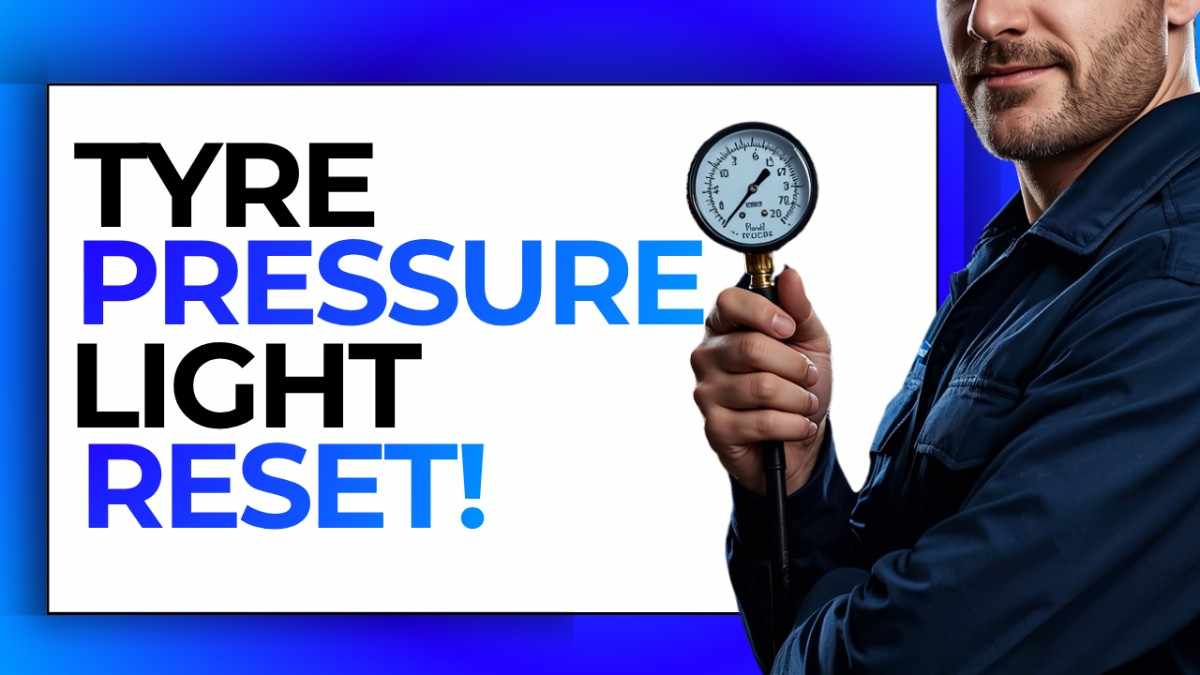
- Check the pressure: Use a manual gauge or the air machine at a petrol station to check the PSI.
Can You Drive With the Tyre Pressure Warning Light On?
You should never ignore this warning. Driving with an active tyre pressure alert is dangerous. Low pressure severely impacts vehicle handling and increases your accident risk. It also causes excessive heat build-up, which can lead to a sudden blowout. If the light comes on, drive cautiously to the nearest safe location to check your tyres.
Why Is My Tyre Pressure Light On When Tyres Are Fine?
If you have manually checked your tyres and the pressure matches the optimal PSI listed in your vehicle handbook, you might wonder why the alert persists. This usually happens for two reasons:
- You need to perform a tyre pressure warning light reset. Many cars require a manual reset after adding air.
- You have a faulty sensor that needs replacing by a professional mechanic.
How to Check Tyre Pressure (Step-by-Step)
Maintaining proper tyre inflation is easy once you know how.
- Find your optimal PSI: Check your vehicle handbook or the sticker inside the driver’s side door jamb.
- Remove the valve cap: Twist the dust cap off the tyre valve.
- Attach the gauge: Press your tyre pressure gauge firmly onto the valve.
- Read the number: Note the PSI or Bar reading.
- Add or release air: If the pressure is low, use an air compressor to inflate it. If it is too high, press the small metal pin inside the valve to release air.
How to Reset Tyre Pressure Warning Light
Knowing how to reset tyre pressure warning light systems is highly useful. The exact method varies by manufacturer, but here is a general guide:
- Inflate all tyres: Ensure all four tyres (and the spare, if it has a sensor) are inflated to the correct PSI.
- Turn on the ignition: Turn the key to the “On” position without starting the engine.
- Locate the reset button: This is often found under the steering wheel, inside the glove box, or within the dashboard menu using your steering wheel controls.
- Press and hold: Hold the TPMS reset button until the tyre pressure sign blinks three times, then release it.
- Drive the car: Start the engine and drive for about 20 minutes at a steady speed to let the sensors recalibrate.
Note: The process for a tyre pressure warning light BMW reset may differ slightly from a tyre pressure warning light Toyota or a tyre pressure warning light Mazda reset. Always check your specific vehicle handbook.
Crucial Tyre Safety & Maintenance Factors
To beat tyre wear and avoid safety hazards, keep these high-value factors in mind:
- UK Legal Tyre Tread Depth: The law requires a minimum tread depth of 1.6mm across the central three-quarters of the tyre. Failing to meet this can result in heavy fines and penalty points.
- Fuel Efficiency Impact: Underinflated tyres increase rolling resistance. This means your engine has to work harder, severely reducing your fuel efficiency.
- Tyre Lifespan: Driving on soft tyres destroys the outer edges of the tread. Proper inflation prevents premature tyre lifespan reduction.
- Mobile Tyre Fitting Benefits: If you are stranded, mobile tyre fitting offers ultimate convenience, bringing the tyre shop directly to your driveway or workplace.
When to Visit a Garage in Maidstone
Sometimes, a dashboard warning light requires professional intervention. You should visit a garage if:
- The tyre pressure warning light won’t go off after a reset.
- Your tyre is not holding air.
- You suspect a TPMS sensor fault.
- You need a puncture repair or a complete tyre replacement.
If you are looking for cheap tyre repair near me, understanding the cost of tyre repair UK wide helps. Simple puncture repairs are highly affordable, while the cost of tyre replacement depends on your wheel size and premium brand choices.
If you’re in Maidstone and dealing with a tyre pressure warning light, Malling Repair Services Ltd offers expert diagnostics, tyre repair, and same-day solutions. Established in 1983, we provide trusted, honest service including MOTs, car servicing, tyres, and mechanical repairs. Whether you need Emergency Tyre Repair Maidstone a reputable local garage Maidstone residents trust is your best bet for a rapid same-day tyre service Maidstone wide.
Tyre Safety Tips to Avoid Future Issues
- Check your tyre pressure every two weeks and before long journeys.
- Do not forget to check the spare tyre.
- Visually inspect your tyres for cuts, bulges, and embedded nails.
- Rotate your tyres regularly to ensure even tyre wear.
Also Read: Check Engine Light Explained: Causes, Diagnostics and Fixes
FAQ Section
Can I still drive with a tyre pressure warning light on?
You should only drive as far as the nearest safe stopping point or petrol station. Continuing to drive risks permanent tyre damage and compromises your safety.
How much does a tyre replacement cost?
The cost of tyre replacement varies widely based on the make and model of your vehicle, ranging from budget options to premium brands. Your local car repair garage Maidstone can provide exact quotes.
Why does my tyre pressure light flash when I start the car?
A flashing light that eventually turns solid usually points to a fault with the TPMS sensor or the vehicle dashboard computer, rather than low air pressure.
Are emergency callouts available for flat tyres?
Yes. Many local services offer an emergency callout for same-day service, ensuring you are never left stranded with an unsafe vehicle.